
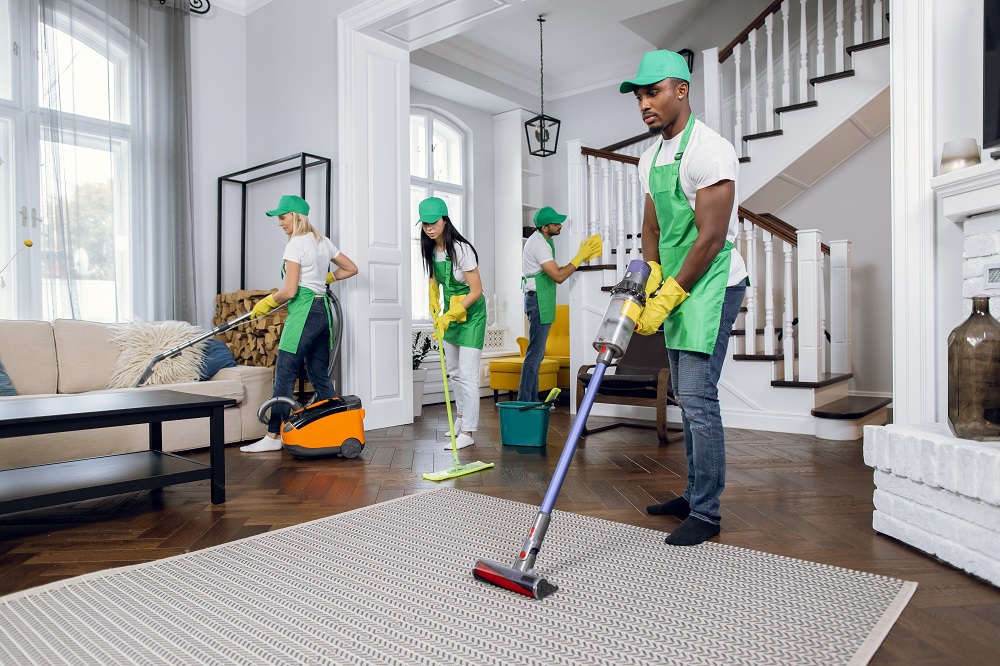
The properties below are the ones that most commonly require ongoing cleaning, plus why consistent service matters for each.
What makes a property “ongoing cleaning” rather than “one-off cleaning”?
A property usually needs ongoing cleaning when it has daily occupancy, shared facilities, frequent visitors, or compliance obligations. In practice, that means cleaning is not a project. It is a routine that prevents problems from building up.
They typically benefit from recurring services through hills commercial cleaning, including washroom sanitising, bin management, kitchen cleaning, dusting, vacuuming, mopping, glass cleaning, and regular disinfecting of touchpoints.
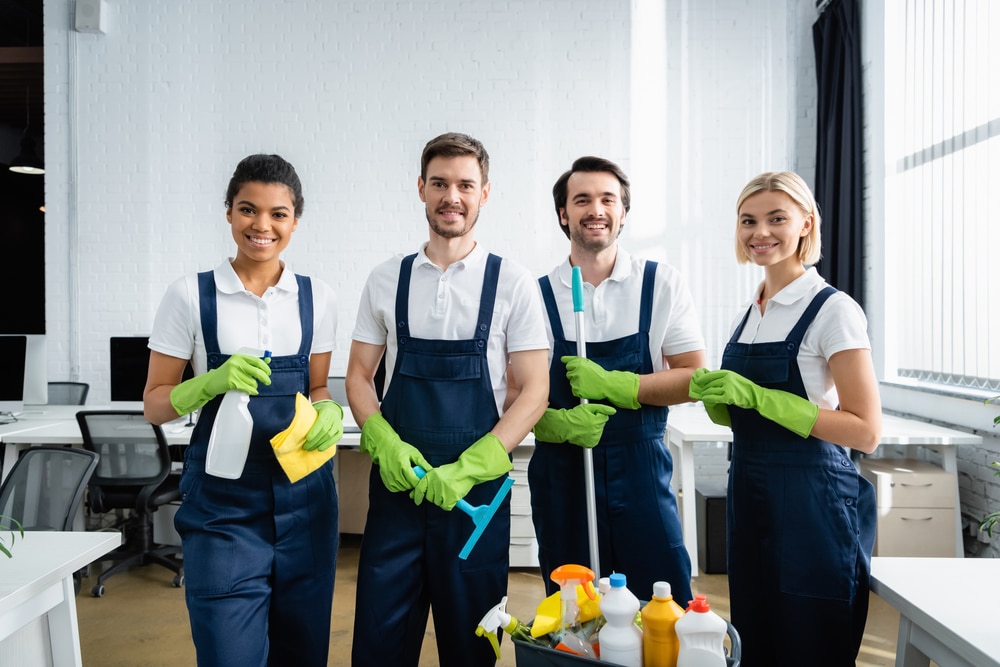
Which office spaces require ongoing commercial cleaning?
Most offices require ongoing cleaning because desks, meeting rooms, kitchens, and washrooms are used daily. Even smaller teams generate waste, fingerprints, spills, and dust that quickly make a space feel neglected.
Open plan offices, shared hot-desking environments, and multi-tenant buildings usually need more frequent touchpoint disinfection and washroom attention. Without routine cleaning, odours, pests, and illness-related downtime become more likely.
What types of retail properties need continual cleaning?
Retail spaces often require ongoing cleaning because customer traffic constantly brings in dirt and creates visible mess. Floors, entrances, counters, fitting rooms, and bathrooms need regular attention to stay presentable and safe.
Shopping strips, showrooms, and larger retail stores commonly require frequent floor care and glass cleaning. They also benefit from spot cleaning throughout the week to keep high-visibility areas looking consistent.
Why do medical and allied health clinics need scheduled cleaning?
Clinics need ongoing cleaning because hygiene is directly tied to patient safety and trust. Waiting rooms, consult rooms, treatment areas, and bathrooms all have high-touch surfaces that should be disinfected regularly.
They typically need a structured routine that includes careful surface sanitising, waste handling, and attention to cross-contamination risks. A consistent cleaning schedule also helps them maintain a professional standard patients notice immediately. You may like to visit https://www.tunstallhealthcare.com.au/blog/allied-health-professionals-in-australia/ to get more about “What Is Allied Health?”.
Which educational facilities typically require ongoing cleaning?
Schools, childcare centres, and training facilities need ongoing cleaning because they have high-density occupancy and shared surfaces. Classrooms, toilets, canteens, and common areas get used heavily and can spread illness fast.
They often require frequent cleaning of floors, desks, door handles, and communal equipment. Regular cleaning supports attendance and reduces the buildup of grime that becomes harder and more expensive to remove later.
What hospitality venues rely on ongoing commercial cleaning?
Hospitality venues need ongoing cleaning because customers judge cleanliness instantly. Restaurants, cafés, pubs, and function spaces create grease, spills, food waste, and heavy bathroom usage.
They usually need recurring cleaning that targets floors, bathrooms, dining areas, bins, and touchpoints, plus periodic deep cleaning around edges and hard-to-reach areas. Consistency is key because a single bad impression can damage repeat business.
More to read : Carpet Cleaning Rutherford: How Often Should Commercial Carpets Be Professionally Cleaned?
Which industrial and warehouse properties require routine cleaning?
Warehouses and industrial sites often require ongoing cleaning to control dust, debris, packaging waste, and safety hazards. Clean floors and clear walkways reduce slip and trip risks, and routine cleaning supports smoother operations.
They may also need scheduled cleaning for lunchrooms, bathrooms, admin offices, and entry points. In many cases, a reliable plan is more valuable than occasional deep cleans because it prevents hazards from building up.
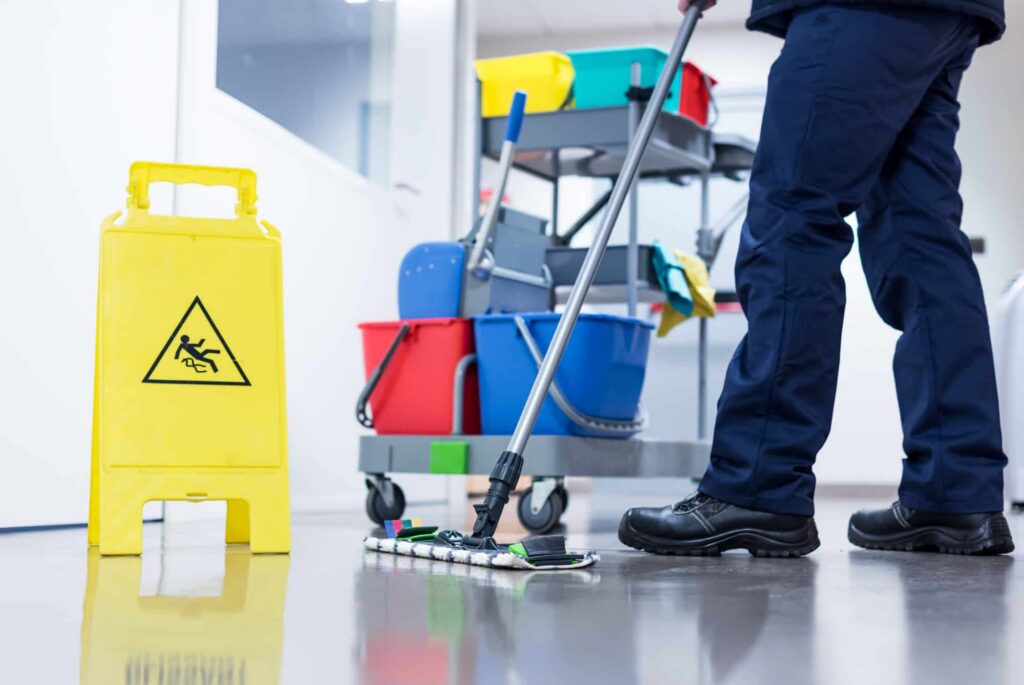
What strata, common areas, and multi-tenant buildings need ongoing cleaning?
Strata properties and shared buildings require ongoing cleaning because common areas are used by many people and no single tenant “owns” the mess. Lobbies, stairwells, lifts, hallways, shared bathrooms, bin rooms, and car parks often need frequent attention.
They benefit from predictable cleaning schedules that keep shared spaces presentable and reduce complaints. Regularity also helps protect surfaces and fittings from long-term wear.
Do gyms and fitness studios need ongoing cleaning?
Gyms need ongoing cleaning because sweat, shared equipment, and high-touch surfaces create hygiene and odour issues fast. Floors, mats, benches, bathrooms, and change rooms must be kept consistently clean to meet member expectations.
They often require a mix of routine cleaning and targeted disinfecting, especially on touchpoints. Without frequent service, the space can quickly feel unclean even if it is technically “tidy.”
What aged care and disability support facilities require continuous cleaning?
Care facilities often require ongoing cleaning because residents and staff rely on hygienic, low-risk environments. Shared rooms, bathrooms, dining areas, and touchpoints need consistent sanitising, and spills must be handled promptly.
They typically benefit from cleaning plans that prioritise infection control and respect resident routines. Reliable scheduling matters because gaps in cleaning can lead to health risks and reputational harm.
How can they decide the right cleaning frequency for a property?
The right frequency depends on foot traffic, operating hours, the number of bathrooms, and how the space is used. Properties with public access, food handling, healthcare activity, or heavy daily occupancy usually need higher-frequency cleaning.
A practical approach is to map out the highest-use zones and set minimum standards for those areas first. Then they can add periodic tasks like internal glass, high dusting, and deep floor care on a rotating schedule.
See also to get more about “Commercial Cleaning Services in Sydney: What Do Businesses Actually Pay For?”.
What is the simplest way to match a property to an ongoing cleaning plan?
They should start by identifying three things: the dirtiest areas, the most visible areas, and the highest-risk areas. Those zones usually dictate the baseline schedule and the cleaning checklist.
From there, a consistent plan should cover daily or weekly essentials, plus monthly or quarterly deep tasks. The goal is not perfection once. It is steady cleanliness that holds up every day.
FAQs (Frequently Asked Questions)
What distinguishes ongoing commercial cleaning from one-off cleaning?
Ongoing commercial cleaning is a routine service designed for properties with daily occupancy, shared facilities, frequent visitors, or compliance obligations. Unlike one-off cleaning, it prevents problems from building up by regularly performing tasks such as washroom sanitising, bin management, kitchen cleaning, dusting, vacuuming, mopping, glass cleaning, and disinfecting high-touch surfaces.
Which types of office spaces benefit most from ongoing commercial cleaning?
Most offices require ongoing cleaning due to daily use of desks, meeting rooms, kitchens, and washrooms. Open plan offices, shared hot-desking environments, and multi-tenant buildings especially need frequent touchpoint disinfection and washroom maintenance to prevent odours, pests, and illness-related downtime.
Why do medical and allied health clinics need scheduled ongoing cleaning?
Medical and allied health clinics require scheduled cleaning because hygiene directly impacts patient safety and trust. Regular disinfecting of waiting rooms, consult rooms, treatment areas, and bathrooms helps manage cross-contamination risks and maintains a professional standard that patients immediately notice.
How does ongoing cleaning benefit educational facilities like schools and childcare centres?
Educational facilities have high-density occupancy with many shared surfaces that can spread illness quickly. Frequent cleaning of classrooms, toilets, canteens, door handles, and communal equipment supports attendance by reducing germs and prevents the buildup of grime that becomes harder and more costly to remove over time.
What considerations determine the right frequency for ongoing commercial cleaning in a property?
The optimal cleaning frequency depends on factors such as foot traffic volume, operating hours, number of bathrooms, and specific uses like public access or food handling. Mapping out the highest-use zones first helps set minimum standards for those areas before adding periodic deep-cleaning tasks on a rotating schedule.
How can property managers create an effective ongoing commercial cleaning plan?
An effective plan starts by identifying the dirtiest areas, most visible zones, and highest-risk spots within the property. This baseline informs a consistent schedule covering daily or weekly essentials alongside monthly or quarterly deep cleans. The focus is on maintaining steady cleanliness every day rather than achieving perfection once.