
Understanding how trees should be pruned can transform a problematic landscape into an appealing and safe outdoor space. For homeowners, landscapers, and professionals alike, differentiating between safety pruning and structural pruning is vital. Both approaches serve distinct purposes, and knowing when to employ one over the other can minimise risks and promote the overall health of your trees.
This discussion draws on researched insights and expert advice to clarify the differences. As Australia faces extreme weather and urban tree challenges, keeping trees healthy yet safe has never been more important. Let’s explore the techniques, the risks, and the benefits associated with both safety and structural tree pruning services.
Understanding Safety Tree Pruning
Definition and Purpose
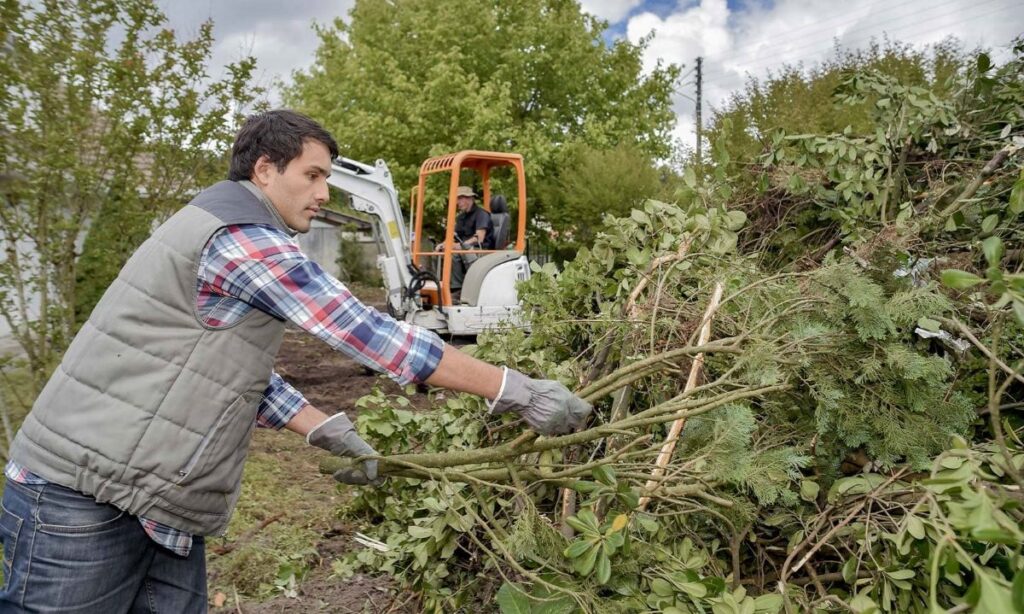
Safety tree pruning targets immediate hazards that pose a risk to people, property, and the long-term wellbeing of the tree. Safety pruning involves removing dead, weak or hazardous branches that could potentially break and cause damage during storms or high winds. The focus is on risk elimination and preventing accidents.
By addressing potential issues before they escalate, safety pruning not only protects your family and property but also reduces the likelihood of expensive repairs. In a field where worker safety is a significant concern-as reported fatalities for tree trimmers stand at 110 per 100,000-making sure that operations prioritise risk management is paramount.
The process emphasises clear judgment on the condition of the tree, taking into account natural wear, environmental influences, and historical maintenance records. Safety pruning is often the reason behind quick intervention during extreme weather events, particularly in regions like ours where bushfire and storm risks are ever-present.
When to Opt for Safety Pruning
Safety pruning is most appropriate when trees are located in high-traffic areas or when visible signs of damage exist. This type of pruning becomes essential following harsh weather events. In Australia, where sudden storms or high winds are not uncommon, immediate action can prevent tragedies. The risks are influenced by the inherent instability of trees when left unchecked.
With the U.S. reporting 23 extreme weather events in 2023 alone, causing damages worth over $1 billion, the emphasis on pre-emptive tree maintenance is clear. Although emerging trends are specific to international contexts, the same logic applies to our local conditions. Homeowners and local councils alike must be vigilant about compromised safety measures.
Factors such as proximity to power lines also necessitate safety pruning. Research indicates that nearly 18.3% of worker fatalities in tree care result from electrocutions. In urban settings or near electrical infrastructure, taking extra precautions through timely safety pruning could mean the difference between life and death.
Techniques and Best Practices
The first step in effective safety pruning is a comprehensive risk assessment. Professionals inspect the tree for dead or diseased branches, and note any structural weaknesses or hazardous overgrowth. It is vital to remove limbs that are too close to buildings or power lines. Each operation demands a tailored approach, particularly when trees have aged or been impacted by environmental factors.
Safety-first equipment is a hallmark of reputable pruning services. Arborists and tree care workers are required to utilise top-quality personal protective equipment (PPE) such as helmets, harnesses, and specialised chippers. These measures reduce the incidence of falls and electrocutions-risks documented by the Occupational Safety and Health Administration (OSHA) as particularly high within the industry.
Reliable communication during the work process is just as important. A coordinated plan that includes clear protocols for line clearance, usage of aerial lifts, or controlled ground access ensures everyone’s safety. Additionally, modern safety standards often incorporate guidelines from studies that aggregate international safety categories, which helps practitioners adhere to globally recognised procedures.
Understanding Structural Tree Pruning
Definition and Purpose
Structural tree pruning focuses on guiding the growth and improving the long-term strength of trees. Unlike safety pruning, which addresses immediate hazards, structural pruning deals with the way a tree develops its branch angles and weight distribution over time. This method is essential for training young and medium-aged trees to achieve a balanced form that withstands stress.
By carefully obtaining cuts and shaping the tree’s future growth, structural pruning prevents the development of weak branch unions that might later become hazardous. Expert tree services have long touted that routine pruning results in safer, stronger, and healthier trees, ensuring longevity and aesthetic appeal.
Structural pruning is strategic; it’s not just about beauty. It improves the natural structure of the tree, which can be particularly beneficial in regions where large, mature trees often succumb to wind or heavy rainfall. This process can have a significant impact on the overall safety and aesthetic integrity of urban landscapes and rural properties alike.
When to Opt for Structural Pruning
Young trees benefit most from structural pruning, where cuts are made to set a robust framework for future growth. The technique trains young trees by guiding the development of branch structure in a way that the tree grows more resilient over time. This preventative measure reduces the risk of structural failure as the tree matures.
For mature trees, structural pruning can play a role in relieving overburdened branches. This is particularly essential where mature trees may have developed heavy limbs that are at risk of breaking off during storms. By managing weight distribution, informed pruning techniques help reduce the likelihood of catastrophic failure.
Structural pruning should also be considered during regular maintenance. Using a systematic approach to cut away unhealthy parts of the canopy and strengthen the overall framework is a necessity, especially in regions prone to extreme weather conditions. When executed correctly, it serves as both a preventive maintenance routine and an investment in the long-term health of the tree.
Techniques and Best Practices
Successful structural pruning involves strategic planning and the right timing. Not every season is ideal for pruning efforts. The best results occur when trees are planted in their growth phase; specific pruning techniques must be applied during dormant periods to avoid excessive sap loss and preserve natural growth cycles.
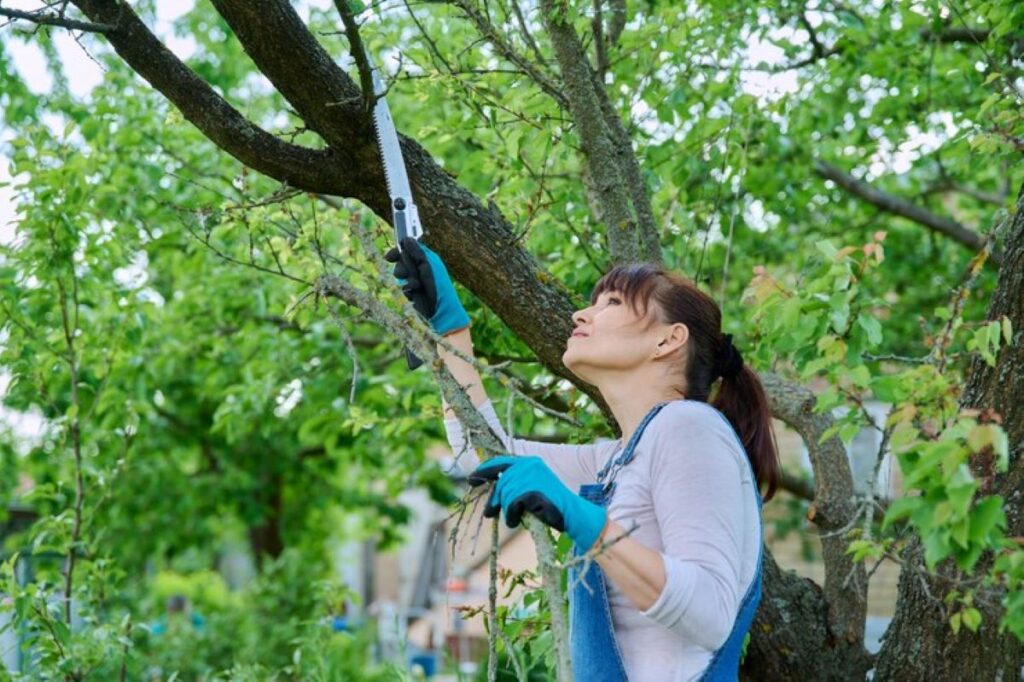
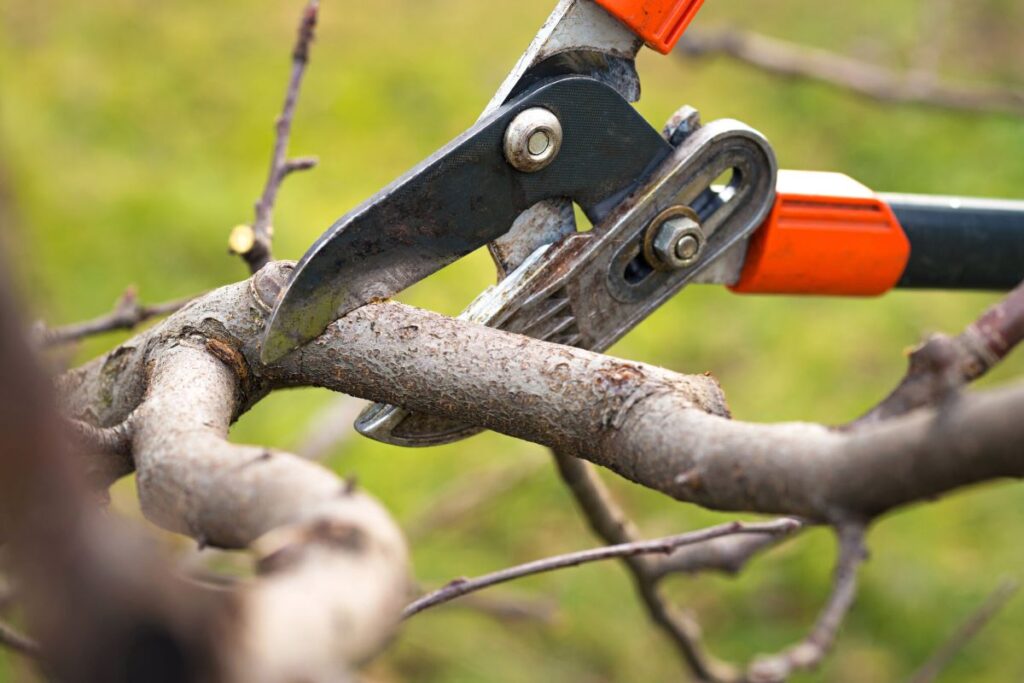
Forestry experts recommend that cuts should always be made just outside the branch collar, preserving the natural defences against disease and decay. Cutting too close to the trunk or leaving excess stubs can lead to improper wound closure. It’s this precision that sets apart well-executed structural pruning from a haphazard cut.
Furthermore, professional arborists often incorporate advice from structural pruning guidelines that highlight the importance of anticipating future growth. When guiding a tree’s development, every cut is part of an overall blueprint, fostering a structure that stays sound as it continues to expand. The methodical nature of structural pruning demands a trained eye and a steady hand, particularly in an industry where improper cuts can later lead to hazardous conditions.
Comparing Safety and Structural Pruning
Focus and Objectives
Safety pruning is all about immediate hazard management; its objective is to remove dangerous branches that might injure someone or damage property. In contrast, structural pruning is a long-term investment in the tree’s growth and stability. While safety pruning manages existing risks, structural pruning is proactive, aiming for balanced growth that decreases the risk of incident later in life.
Both approaches complement each other. A tree that has been structurally pruned in its early years will naturally have fewer issues that require safety pruning later on. In practice, professional tree care includes a combination of both strategies in a comprehensive maintenance plan.
Thinking about local conditions, safety considerations are especially critical in busy suburban areas or near infrastructure such as power lines. For instance, studies have found that electrocutions and falls represent a significant portion of worker fatalities in tree care. Hence, both methods support safe operations but target different timeframes and problems.
Risk Management vs. Long-Term Health
Managing the inherent risks of tree care head-on is the cornerstone of safety pruning. It prioritises immediate concern, including hazardous limb removal in precarious locations. An emphasis on safety is evident in the high fatality rates observed within the industry, where statistics indicate startling numbers compared to the national average.
On the other hand, structural pruning focuses on ensuring that trees develop strong and secure frameworks to better handle environmental stressors. By integrating structural requirements into a tree’s early development, the potential for hazardous conditions in mature trees is significantly reduced. A balanced tree is inherently safer and demands less emergency intervention later.
This duality is not mutually exclusive. Many arborists recommend a phased approach, starting with structural pruning to lay a sound foundation, followed by periodic safety inspections that might lead to occasional safety pruning when necessary. This holistic approach results in both beautiful and secure trees, enhancing overall landscape aesthetics while safeguarding public safety.
Service Implementation and Considerations
When contracting tree care services, it pays to understand what each form of pruning entails. Safety pruning may require more emergency intervention techniques, particularly in reaction to damage or disease. Structural pruning, however, is planned and measured, ensuring that trees develop their most robust form over time.
Contractors and landscape managers in Australia typically assess local hazards such as proximity to busy roads, power infrastructure, and high-wind areas when determining the best approach. Assessments often draw consultation with industry standards and guidelines that include internationally recognised safety categories, ensuring that services align with the highest quality measures.
It is also common to see two separate phases in professional tree care contracts-initial safety inspections followed by planned structural improvements over months. Both aspects work in tandem. Homeowners should seek providers who offer integrated solutions, blending quick safety responses with long-term maintenance programmes, thereby reducing overall risks and costs.
The Economic and Environmental Impact
Economic Benefits of Regular Pruning
Routine maintenance of trees, including both safety and structural pruning, yields significant economic benefits. Preventing tree failures can reduce liability costs and lower the frequency of emergency repairs. By investing in regular inspections and maintenance, property owners shield themselves from unexpectedly high costs following severe weather events.
The cost benefits are tangible. Research has shown that in the U.S., extreme weather events have led to billion-dollar damages, an outcome that could be mitigated by well-planned tree care. Safety complications and structural failures not only cause physical damage but can also lead to substantial economic losses due to service interruptions and insurance claims.
Moreover, as the safety of tree trimming services remains a pressing issue-with fatality rates significantly exceeding the all-industry average-the careful balance of risk management and preventive care can save valuable lives and resources. Insurance bodies and local governments often promote regular tree inspections as essential to lowering both expenditure and potential accident liabilities.
Environmental Considerations
Healthy trees contribute considerably to our environment. Structural pruning plays a pivotal role in ensuring that trees continue to provide shade, oxygen, and habitat throughout their lifespans. Proper pruning techniques help balance growth, reducing stress and mitigating the spread of disease.
Safety pruning, while primarily risk-driven, indirectly supports environmental stability by preventing hazardous branch collapses that can lead to soil compaction, disruption of local flora, and even water runoff problems. When trees are managed carefully, they resist pests and diseases better, reducing the need for chemical treatments, which can have adverse environmental effects.
Tree preservation is especially significant in Australia where urban development often competes with natural green spaces. By investing in a balanced approach to tree care, municipalities not only secure human safety but also contribute to biodiversity, reduce carbon footprints, and enhance overall community well-being.
Social and Community Impact
Community spaces flourish when trees are both safe and beautifully structured. Well-maintained trees in public parks, residential neighbourhoods, and commercial areas foster a sense of pride and connection among residents. Ensuring that trees are pruned correctly can prevent accidents and promote a greener, more responsible urban design.
Local councils frequently adopt tree care policies that incorporate both safety and structural pruning measures. Residents benefit from a visible commitment to local safety standards, while also enjoying the aesthetic and environmental benefits of healthy, well-structured trees.
The integration of these practices strengthens community resilience. As neighbourhoods around Australia face the challenge of extreme weather events, effective tree pruning acts as both a preventive measure against damage and a natural enhancement of urban design. The focus on maintaining trees in optimal shape cultivates not only beauty but a safer, more effective barrier against the elements.
See Also : When Emergency Work Is Needed From a Tree Trimming Near Me Service
Choosing the Right Tree Care Professional
Qualifications and Certifications
Choosing a qualified professional is the first step in ensuring that safety and structural pruning deliver the intended results. Look for experts who are registered, accredited, and well-versed with Australian as well as international safety standards. Within the tree care industry, adherence to recognised certification bodies guarantees a standardised approach and minimises risk.
When interviewing tree care professionals, ask about their experience, qualifications, and references. Established firms typically carry memberships with industry associations that emphasise routine education and adherence to safety protocols. This can include insights drawn from global studies on arboricultural practices and safety standards.
Beyond credentials, consider the professional’s familiarity with local tree species and environmental conditions. Each region has nuances that can influence both structural growth and safety concerns. A firm that understands regional weather patterns and urban landscaping challenges is better equipped to handle a comprehensive tree care plan.
Evaluating Past Projects and Recommendations
Practical experience speaks volumes. Ask for examples of previous work that demonstrates both safety and structural pruning. Photographs, project summaries, and customer testimonials provide clear insights into the professional’s approach and ability to manage complex scenarios.
Recommendations and online reviews are important resources. Many clients appreciate the transparency of detailed project descriptions that outline the sequence of work-from initial risk assessments to the final shaping of the tree canopy. A track record of successfully mitigating hazards and promoting healthy growth can set one professional apart from another.
Additionally, consider asking for a detailed risk management plan that the contractor applies before beginning any project. This plan should outline the safety measures undertaken during pruning, from the usage of protective equipment to emergency contingencies. With tree care being inherently hazardous-highlighted by studies showing risks from falls, electrocutions, and machinery accidents-robust planning is non-negotiable.
Local Industry Support and Continuous Improvement
Look for services that encourage ongoing communication and periodic reviews of their work. The tree care industry benefits from continuous improvement, where lessons from previous projects fuel future enhancements in safety and structural techniques. Professionals who invest in upgrading tools, training, and methodologies are more likely to provide lasting results.
With statistics from organisations such as OSHA, CDC, and international research underscoring the dangers in tree care, companies emphasising continued education and compliance with evolving standards demonstrate their commitment to safety. This is essential as new techniques and tools evolve, creating safer working conditions and more effective tree care solutions.
Engaging with local community boards and industry panels can also help homeowners stay informed about current best practices. An active participation in these networks ensures that your choice of tree care professional is aligned with the latest in health, safety, and environmental sustainability practices.
Future Trends in Tree Pruning
Technological Advances
Technology is gradually reshaping the arboricultural landscape. Remote sensing devices, drones, and advanced imaging software now allow for detailed assessments of tree health and structure. These tools facilitate pinpoint accuracy in both safety and structural pruning efforts, ensuring that interventions are as effective as possible.
Innovations in personal protective equipment and tree trimming tools also contribute to safer working environments. With real-time monitoring of work sites and improved communication devices, the risk of accidents is expected to continue declining. Such fuel-efficient and safe practices will become standard across Australia and beyond.
Furthermore, professionals utilising technology are better able to store extensive data on tree health. This information informs strategic planning and helps in tracking the long-term outcomes of various pruning techniques. The trend towards data-driven tree care is set to revolutionise traditional approaches and further reduce the risks associated with tree trimming.
Evolving Safety Standards
International collaboration in tree care safety standards now means that local practices are increasingly in line with global benchmarks. Studies that analyse diverse safety protocols from over 29 countries have resulted in a harmonisation of best practices, with some standards being universally adopted. This paves the way for updated guidelines that benefit both safety and structural pruning techniques.
The dynamic nature of urban development and environmental changes necessitates regular review of safety measures. With extreme weather events becoming more common, there is an increasing push for updated protocols to ensure that tree work sites remain safe. Governments and industry bodies will undoubtedly place more emphasis on ongoing research and improved training methods in the near future.
As the industry adapts, training courses and safety certifications are likely to evolve. Continuous education programmes for arborists will include modules on new technological tools, risk management strategies, and innovative pruning techniques. This proactive stance is essential to counterbalance the high-risk nature of the work, ensuring that safety remains a priority while trees continue to thrive aesthetically and structurally.
Environmental and Regulatory Developments
Environmental stewardship is increasingly influential in the management of urban landscapes. As local governments and councils look to promote greener cities, there is a renewed focus on maintaining robust tree populations through judicious care. Structural pruning, in this context, is viewed as an investment in the community’s natural capital.